


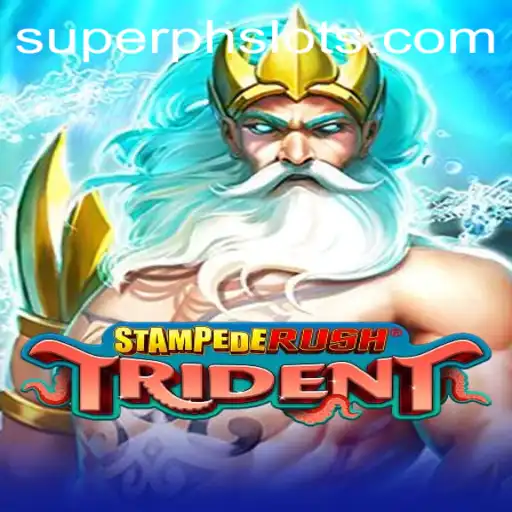

Reimagining Hercules: The Superhero Phenomenon in Gaming
The world of gaming is constantly evolving, with new iterations and versions of classic tales being introduced regularly. One of the latest sensations in this arena is the game titled Hercules, capturing the imagination of fans of mythology and adventure. The introduction of the keyword SUPERPH into this mix adds an intriguing layer of depth, bringing together traditional Greek mythology with a touch of modern superhero dynamics.
The Evolution of Hercules in Gaming
The character of Hercules, originally derived from ancient Greek myths, has seen countless adaptations across various media over the years. From cinematic portrayals to literary adaptations, the enduring appeal of this demigod stems from his legendary feats and human qualities. The game Hercules introduces players to a vibrant world where they can delve into these myths themselves. However, it is the SUPERPH campaign that elevates this game beyond a mere retelling of old tales.
SUPERPH or Super Power Hercules, a concept introduced in this version of the game, redefines what it means to embody the legendary hero's might. It isn't just about strength but the fusion of superhero elements into Hercules' well-known narrative. With broader powers and new dimensions of challenges, players experience an unprecedented level of gameplay intricacy.
Crafting a Modern Mythology
At its core, the game Hercules is built on the time-honored premise of telling stories that captivate both the imagination and spirit. Interwoven with modern aesthetics and heroic paradigms, SUPERPH allows players to explore new archetypes of heroism. In fact, the game effortlessly parallels modern narratives where superheroes dominate pop culture, thereby connecting historical mythological themes with contemporary sensibilities.
In the game, each quest propels players into increasingly complex scenarios, requiring not just brute strength but also strategic thinking and mental acuity. Through the SUPERPH elements, players see Hercules not just as a classical figure but as an adaptable hero, capable of evolving with the times. This mirrors a larger trend in media where mythical characters are reimagined to reflect modern-day narratives.
Understanding the Rules of Engagement
The game Hercules, especially under the imprint of SUPERPH, brings with it a range of new rules and innovative twists to conventional gameplay. Players begin their journey in the familiar landscapes of ancient Greece but soon find themselves navigating through environments influenced by contemporary culture, from bustling virtual metropolises to digital landscapes reflecting current world events.
One of the standout features of the game is its dynamic combat system. Rather than sticking to traditional button-mashing mechanics, SUPERPH introduces a nuanced approach to battles. Players must manage their energy efficiently—drawing from a well of mythical power that rejuvenates over time. These powers, reminiscent of modern superhero abilities, include feats such as Lightning Fury, Colossal Strength, and Impenetrable Defense.
Bringing Current Events into Perspective
The game is not just an escape into a mythical past but also a commentary on current global phenomena. SUPERPH cleverly integrates themes of environmental sustainability and social justice. Missions involve addressing crises that mirror real-world issues, such as combating pollution unleashed by mythical creatures or reconciling conflicts that echo modern geopolitical tensions.
Through this innovative gameplay, players become more than passive participants. They become heralds of change, utilizing their understanding of myth to approach current global challenges creatively. The game’s narrative mechanics encourage analytical thinking, pushing players to draw parallels with actual events and motivating them to create solutions within both the game and in their own lives.
The Interactive Power of Community
The Hercules game, in its SUPERPH incarnation, has also fostered a vibrant community. Online forums brim with discussions about game strategies, Easter eggs, and the broader implications of its themes. With the game featuring various multiplayer options, players can collaborate across virtual borders, forming alliances to tackle quests and engage in storyline debates.
This sense of interactivity and community mirrors larger trends in the gaming industry, where collaboration and shared experiences are increasingly valued. In Hercules, players don't just immerse themselves in a world; they forge connections that transcend the confines of the game, fostering both a community and an evolving dialogue regarding its content and implications.
In conclusion, Hercules, alongside the innovative SUPERPH campaign, has successfully broadened the landscape of mythological gaming. By integrating classical stories with superhero motifs and societal themes, it remains both timeless and modern, a digital bastion where past legends meet the challenges and narratives of the present day.